
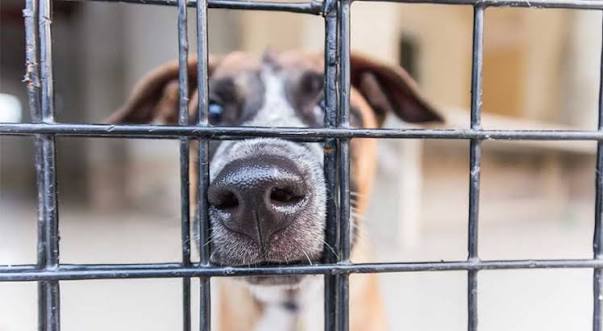
Adopting a rescue dog is one of the most rewarding decisions you can make. Not only are you giving a deserving dog a second chance, but you’re also gaining a loyal companion who can become an important part of your family. While many rescue dogs adjust quickly, every dog comes with a unique history, personality, and life experiences. Understanding what to expect can help set both you and your new companion up for success.
Choose a Reputable Rescue Organization
Not all rescue organizations operate the same way. Look for a rescue that is transparent about its adoption process, veterinary care, and behavioral evaluations. Reputable rescues are committed to finding the best match for both the dog and the adopter—not simply placing dogs as quickly as possible.
The staff and volunteers often spend many hours with the dogs in their care and can provide valuable insight into a dog’s personality, energy level, compatibility with children or other pets, and any known behavioral or medical concerns.
Meet the Dog Before You Adopt
Whenever possible, spend time with the dog before making your decision. Observe how they interact with you, family members, and other pets if introductions are appropriate.
Remember that a dog’s behavior in a shelter or foster home may not fully reflect how they will behave once they feel comfortable in your home. Stress, fear, and unfamiliar surroundings can temporarily affect a dog’s personality. Give them the opportunity to show you who they are once they begin to feel safe.
Understand the 3-3-3 Rule
Many rescue organizations use the 3-3-3 Rule to help adopters understand the adjustment process. While every dog is different and there is no set timeline for settling into a new home, this guideline can help set realistic expectations.
The First 3 Days: Your dog is decompressing. They may be shy, nervous, overwhelmed, unusually quiet, or even appear overly excited. Give them time, avoid overwhelming them with visitors, and establish a predictable daily routine for meals, walks, potty breaks, and bedtime.
The First 3 Weeks: Your dog begins learning your household routine and starts building trust. You may begin to see more of their true personality as they become comfortable. Continue using positive reinforcement, establish consistent expectations, and allow your dog to progress at their own pace.
The First 3 Months: Many rescue dogs begin to feel like they truly belong. Their confidence grows, stronger bonds develop, and they become more comfortable with daily life. Continue training, socialization, and patience as your relationship continues to grow.
Remember that these timeframes are guidelines—not deadlines. Some dogs adjust within days, while others, particularly those recovering from neglect, abuse, or extended shelter stays, may need considerably more time.
Schedule a Veterinary Examination
Even if the rescue has recently provided veterinary care, schedule an appointment with your veterinarian soon after adoption. A wellness examination establishes a baseline for your dog’s health and allows your veterinarian to discuss vaccinations, parasite prevention, nutrition, dental health, behavior, and any medical concerns that may require follow-up care.
Keep Things Familiar During the Transition
The first few weeks in a new home can be stressful for a rescue dog. While it’s exciting to buy new toys, treats, and supplies, try not to change everything at once.
Ask the rescue organization or foster family if you can take home a small supply of the food your dog has been eating, along with a favorite toy, blanket, or bed if possible. Familiar scents and routines can provide comfort during a time of significant change.
If you plan to switch foods, make the transition gradually over 7–10 days by slowly mixing the new food with the old. A sudden diet change can lead to digestive upset, including vomiting or diarrhea, making an already stressful transition even more difficult.
Remember that your new dog has experienced many changes in a short period of time. Maintaining as much consistency as possible during those first few weeks can help them settle into their new home with greater confidence and less stress.
Invest in Training and Socialization
Every dog benefits from training. Positive reinforcement builds confidence, strengthens your relationship, and helps your dog understand what is expected.
Continue socialization gradually by exposing your dog to new people, environments, and experiences at a pace that matches their comfort level. Avoid rushing the process, especially if your dog appears fearful or anxious.
Be Patient With Behavior Changes
As your dog settles into your home, you may notice new behaviors emerge. Some dogs become more playful, while others may begin testing boundaries or displaying behaviors that weren’t apparent in the shelter environment. This is often a normal part of the adjustment process and doesn’t necessarily mean you’ve made the wrong decision.
Patience, consistency, and positive reinforcement are the keys to helping your dog feel secure and build trust.
Commit to a Lifetime Together
Adopting a rescue dog is a lifelong commitment. Like any dog, rescue dogs require ongoing veterinary care, proper nutrition, exercise, mental stimulation, and plenty of love. They may also require extra patience as they learn to trust their new family.
The rewards, however, are immeasurable. Watching a once-uncertain dog grow into a confident, happy companion is one of the greatest joys of pet ownership.
An RVT’s Perspective
As a Registered Veterinary Technician with more than 30 years of experience, one of the biggest mistakes I’ve seen new adopters make is expecting too much, too soon. Many rescue dogs have experienced multiple homes, inconsistent routines, or stressful environments before finding their forever family. Trust takes time to build.
Be patient, celebrate small successes, and remember that your dog isn’t trying to give you a hard time—they’re simply trying to figure out if they’re finally home. The families who allow their dogs to adjust at their own pace often develop the strongest, most rewarding relationships with their new companions.
Final Thoughts
Rescue dogs may come with an unknown history, but they also come with incredible potential. By choosing a reputable rescue, understanding the adjustment process, providing appropriate veterinary care and training, and allowing your new companion the time they need to settle in, you’ll be laying the foundation for a lifetime of trust and companionship.
At Ally 4 Pets, we believe educated pet owners make the best pet owners. Whether you’ve recently adopted a rescue dog or are considering bringing one home, we’re here to provide trusted guidance, professional pet care, and educational resources to help both you and your new companion succeed. Visit us at urlwww.ally4pets.comhttps://www.ally4pets.com to explore our educational resources, learn more about our services, or contact us to see how we can support your rescue dog’s journey.
Recent Comments