
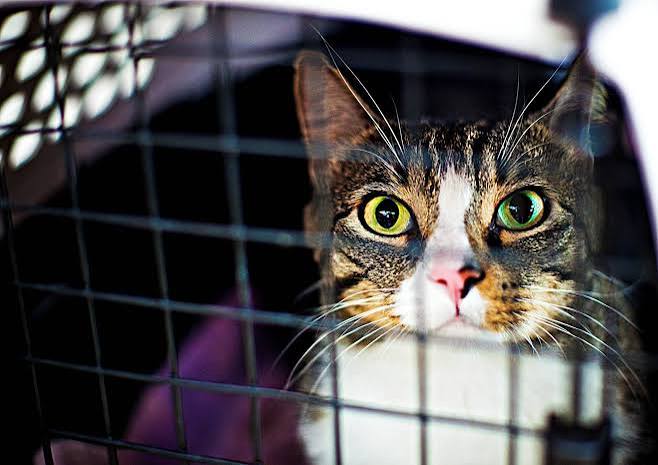
Adopting a rescue cat is a wonderful way to give a deserving animal a second chance while welcoming a loving companion into your home. Whether you adopt from a rescue organization, humane society, animal control facility, or foster program, you’re making a lifelong commitment to your new feline family member.
Like people, every cat has a unique personality and history. Some cats adjust to a new home within a few days, while others need weeks or even months to feel completely comfortable. Understanding the transition process can help you build trust and create a successful relationship from the very beginning.
Choose a Reputable Rescue Organization
Not all rescue organizations are the same. Look for one that is transparent about its adoption process, veterinary care, behavioral assessments, and medical history whenever available.
The staff and volunteers caring for the cats often spend many hours observing their personalities and can provide valuable insight into a cat’s activity level, social behavior, compatibility with children or other pets, and any known medical or behavioral concerns.
Meet the Cat Before You Adopt
Whenever possible, spend time interacting with the cat before making your decision. Observe how they respond to handling, new people, and their environment.
Keep in mind that a cat’s behavior in a shelter or foster home may not accurately reflect their true personality. Stress can cause some cats to become withdrawn, quiet, or hesitant around strangers. Others may appear unusually outgoing because they’re seeking comfort and attention. Give your new cat the opportunity to settle into their new environment before making assumptions about their personality.
Understand the Adjustment Period
Unlike dogs, cats don’t have a widely recognized “3-3-3 Rule,” but many experience a similar adjustment process.
The First Few Days: Your cat is learning that they’re in a completely new environment. They may hide under furniture, eat very little, avoid interaction, or only come out at night. This is perfectly normal.
The First Few Weeks: As your cat begins to feel more secure, they’ll gradually explore more of your home, become familiar with your daily routine, and begin interacting with family members. Their confidence slowly grows as trust develops.
The First Few Months: Many adopted cats begin showing their true personalities after several months. They often become more affectionate, playful, vocal, and relaxed as they realize they’re finally home.
Every cat adjusts differently. Allow your cat to progress at their own pace without forcing interactions.
Prepare a Safe Room
One of the best ways to help your new cat adjust is by starting them in a quiet room of their own.
Provide:
- Food and fresh water
- A litter box
- A comfortable bed
- Scratching posts
- Toys
- Hiding places
- A climbing surface or perch if possible
Allow your cat to explore this space until they appear comfortable before gradually introducing them to the rest of your home.
Schedule a Veterinary Examination
Even if your rescue has already provided veterinary care, schedule an examination with your veterinarian soon after adoption. This visit establishes a baseline for your cat’s health and provides an opportunity to discuss vaccinations, parasite prevention, nutrition, dental health, and any medical concerns.
Routine wellness examinations become increasingly important as cats age because many conditions—including chronic kidney disease (CKD), hyperthyroidism, diabetes, arthritis, and dental disease—can develop gradually with few obvious signs.
Keep Things Familiar During the Transition
If possible, ask the rescue or foster family for a small amount of your cat’s current food, a favorite toy, blanket, or bedding.
Familiar scents provide comfort during periods of change. If you decide to switch foods, gradually transition over 7–10 days to help minimize digestive upset.
Try to maintain a predictable daily routine for feeding, playtime, and quiet time. Cats thrive on consistency, and routines help reduce stress.
Give Your Cat Time to Build Trust
Every interaction with your new cat should help build confidence rather than fear.
Allow your cat to approach you first whenever possible. Sit quietly, speak softly, and offer treats or toys to create positive experiences. Avoid forcing physical contact or picking up your cat before they’re comfortable.
Trust cannot be rushed, but it can be earned through patience and consistency.
Monitor Litter Box Habits
The litter box provides valuable information about your cat’s health.
Monitor the amount and frequency of urination as well as the size and consistency of bowel movements. Changes may be early indicators of chronic kidney disease (CKD), diabetes, hyperthyroidism, constipation, inflammatory bowel disease (IBD), urinary tract disease, or other medical conditions.
If your cat begins avoiding the litter box, straining, vocalizing while eliminating, or producing little or no urine, contact your veterinarian immediately. These signs should never be dismissed as behavioral, particularly in male cats, where urinary obstruction can become life-threatening.
Commit to a Lifetime Together
Cats routinely live 15 to 20 years or longer with proper care. Adoption is a lifelong commitment that includes routine veterinary care, proper nutrition, environmental enrichment, regular grooming, and plenty of love and patience.
Watching a frightened rescue cat gradually transform into a confident family member is one of the most rewarding experiences a pet owner can have.
An RVT’s Perspective
As a Registered Veterinary Technician with more than 30 years of experience, I’ve learned that one of the greatest gifts you can give a newly adopted cat is patience. Cats don’t measure trust in days—they measure it through consistent positive experiences. Allow them to decide when they’re ready to explore, interact, and seek affection.
I’ve also seen many owners worry because their new cat spends several days hiding. In most cases, hiding is simply a cat’s way of feeling safe while they learn that their new environment is secure. With time, consistency, and gentle encouragement, many of these cats become incredibly affectionate companions.
Final Thoughts
Adopting a rescue cat is the beginning of a lifelong relationship built on trust, patience, and understanding. By choosing a reputable rescue, preparing your home, providing appropriate veterinary care, and allowing your new companion to adjust at their own pace, you’ll help your cat feel safe, confident, and loved.
At Ally 4 Pets, we believe educated pet owners make the best pet owners. Whether you’ve recently adopted a rescue cat or are considering welcoming one into your family, we’re here to provide trusted guidance, professional pet care, and educational resources every step of the way. Visit us at urlwww.ally4pets.comhttps://www.ally4pets.com to learn more about our services and discover additional resources to help your feline companion thrive.
Recent Comments